Important De Witte Ster Delft Plate – Cornelis Brouwer Period, ca. 1724–1738
$2,250.00
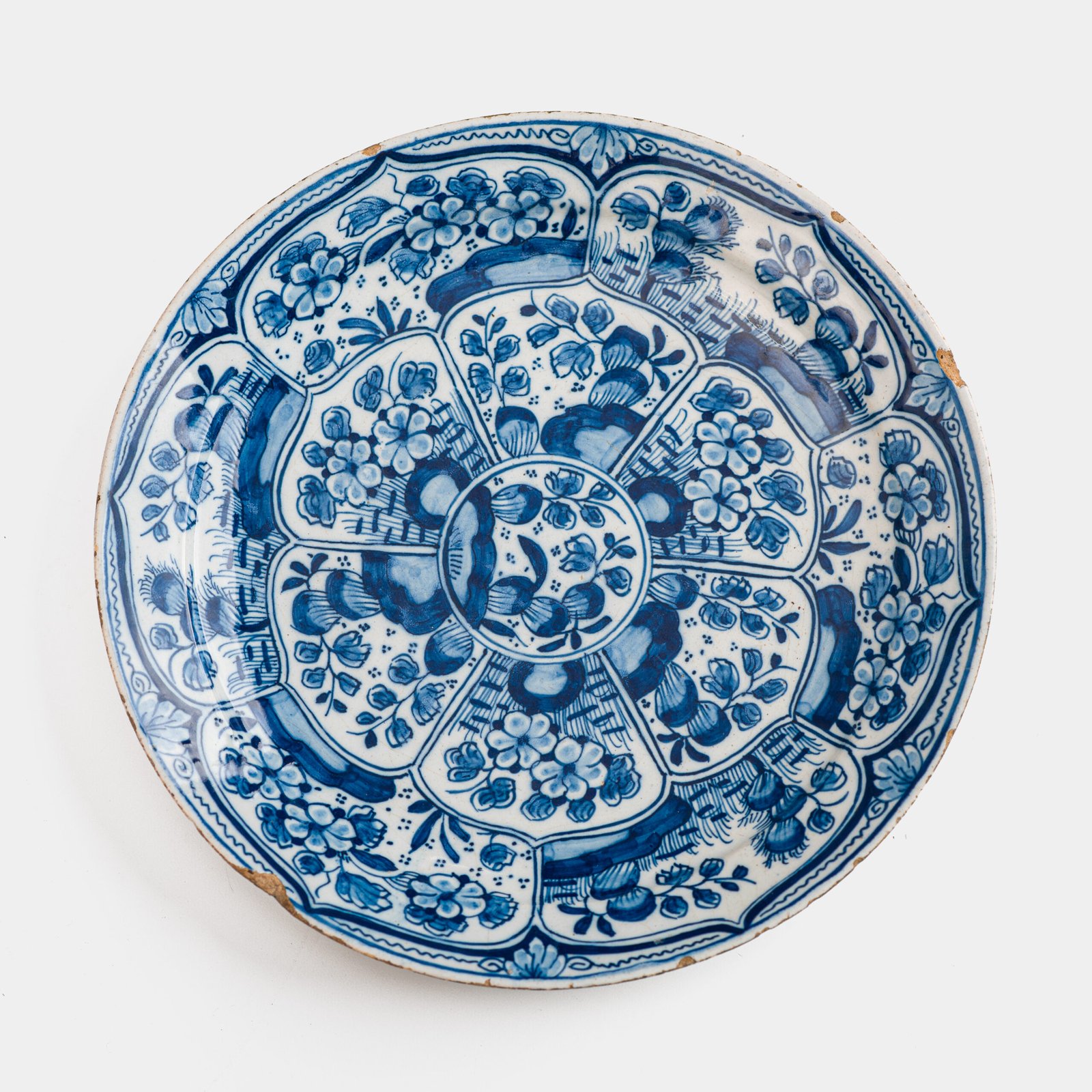
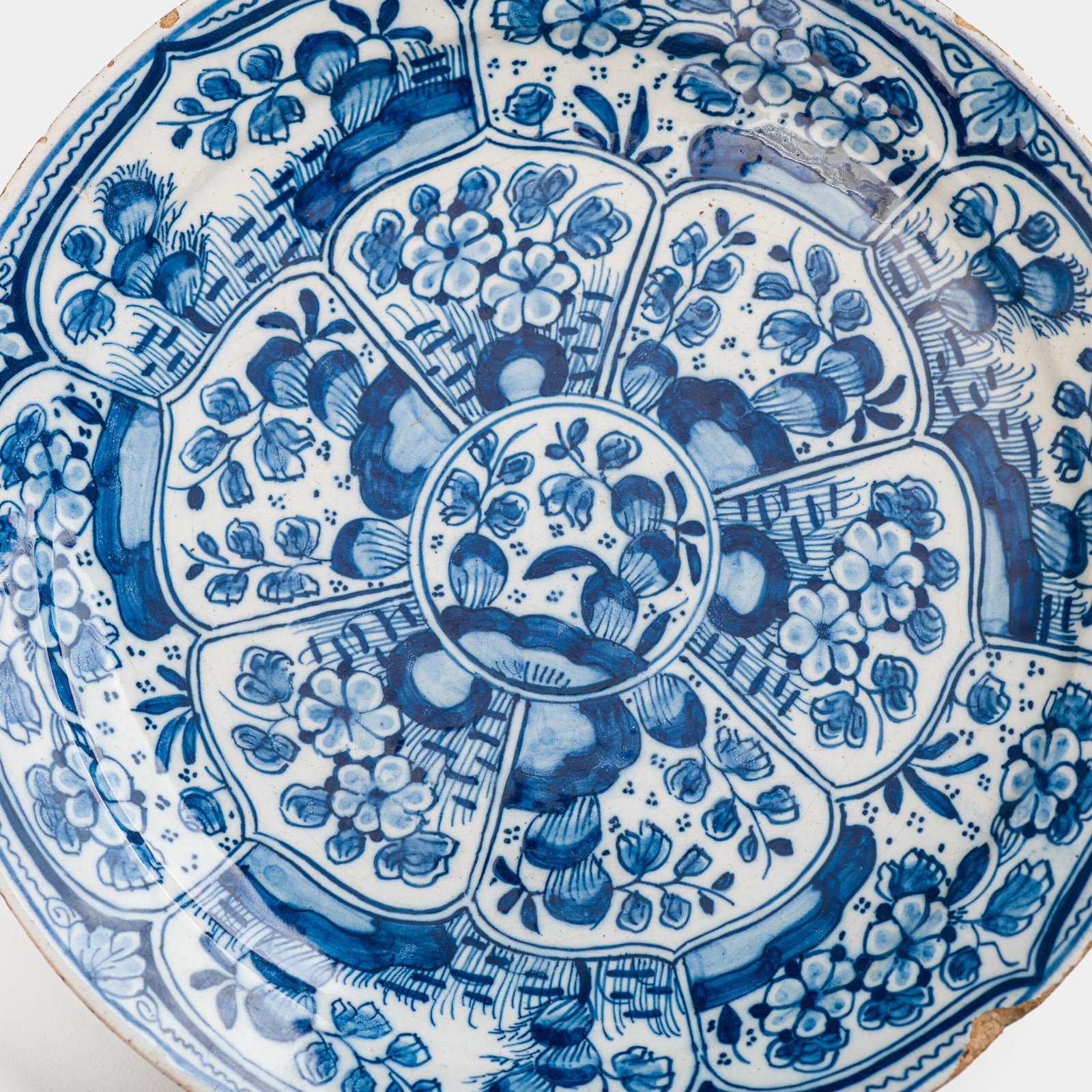
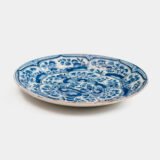
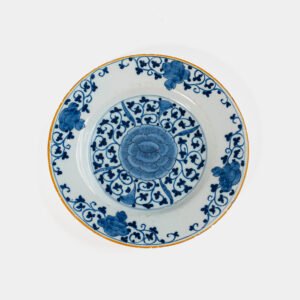
Important De Witte Ster Delft blue and white plate from the Cornelis Brouwer period (ca. 1724–1738). Marked with the six-pointed star and “CB” underglaze, this authentic 18th-century Dutch Delft plate exemplifies early blue and white tin-glazed earthenware with refined radial decoration and natural period wear.
Your Purchase is Guaranteed: FREE UPS Shipping to US | FAST 4-Day Delivery | 30-Day Free Returns
More information
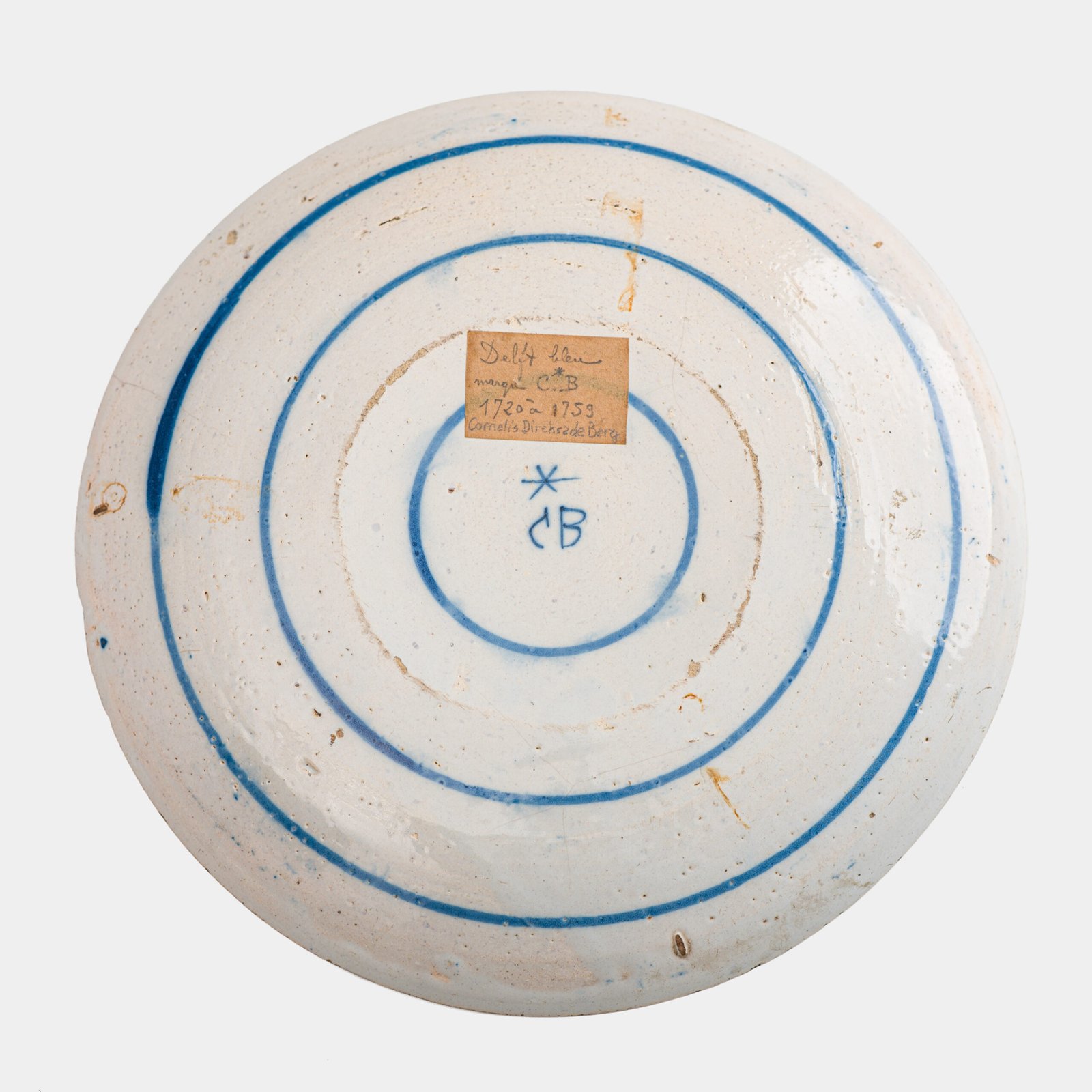
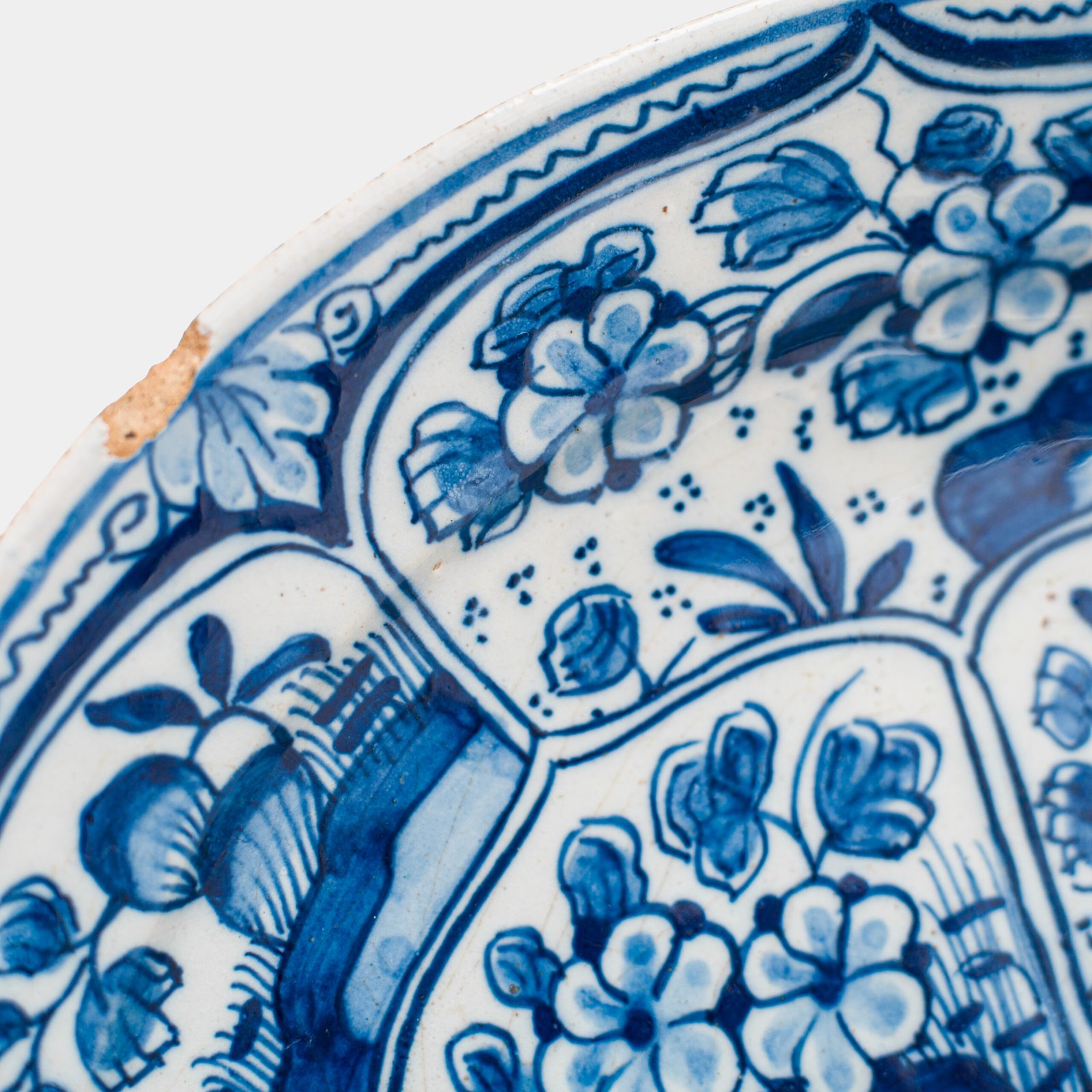
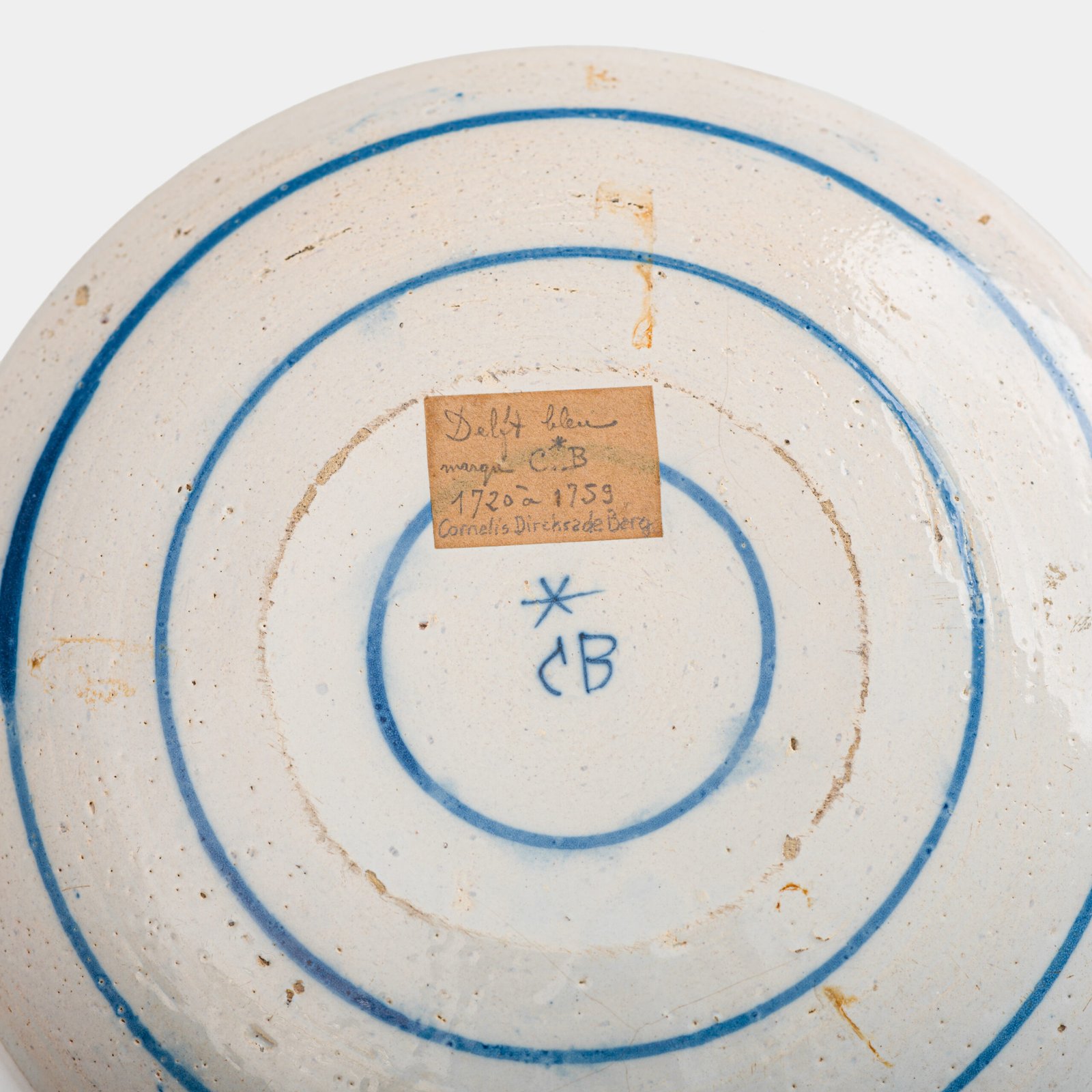
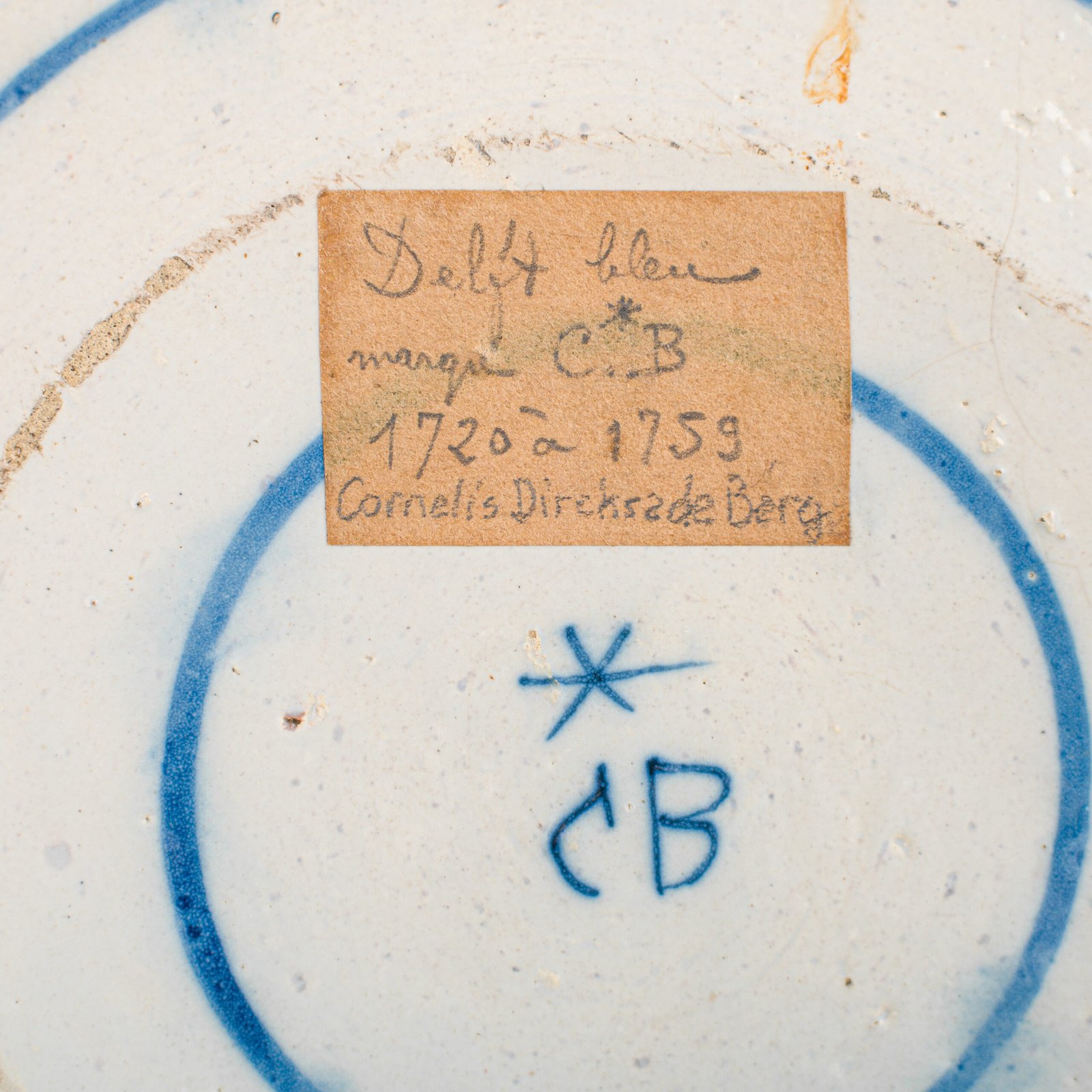
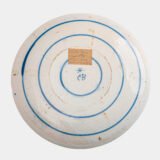
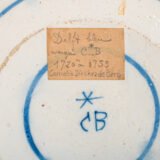
Tin-glazed earthenware plate decorated in cobalt blue on a white ground, produced at the De Witte Ster Delft factory during the ownership period of Cornelis Brouwer (ca. 1724–1738). The attribution is based on the underglaze mark on the reverse — a six-pointed star above the initials “CB” — a documented combination associated with the factory during this specific period.
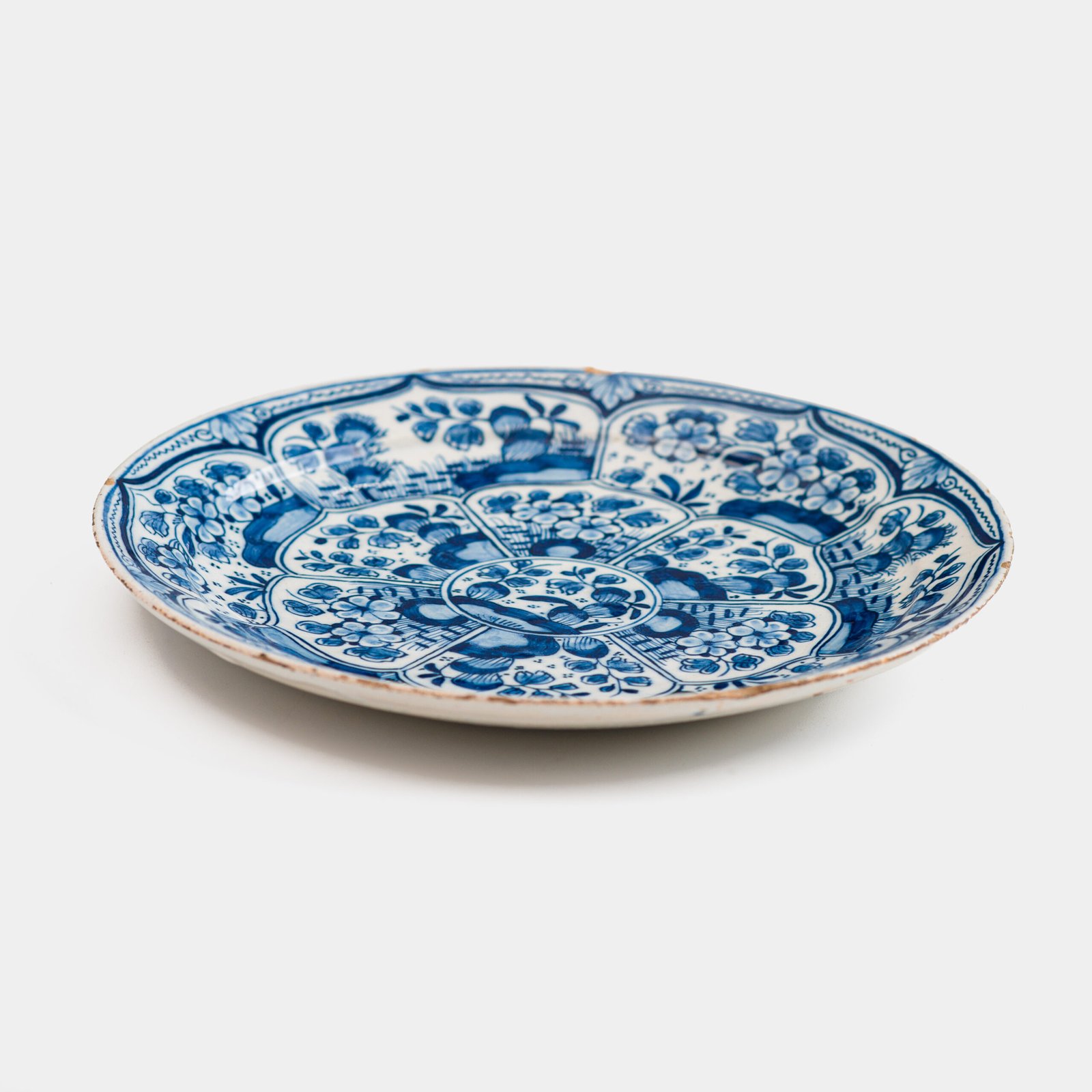
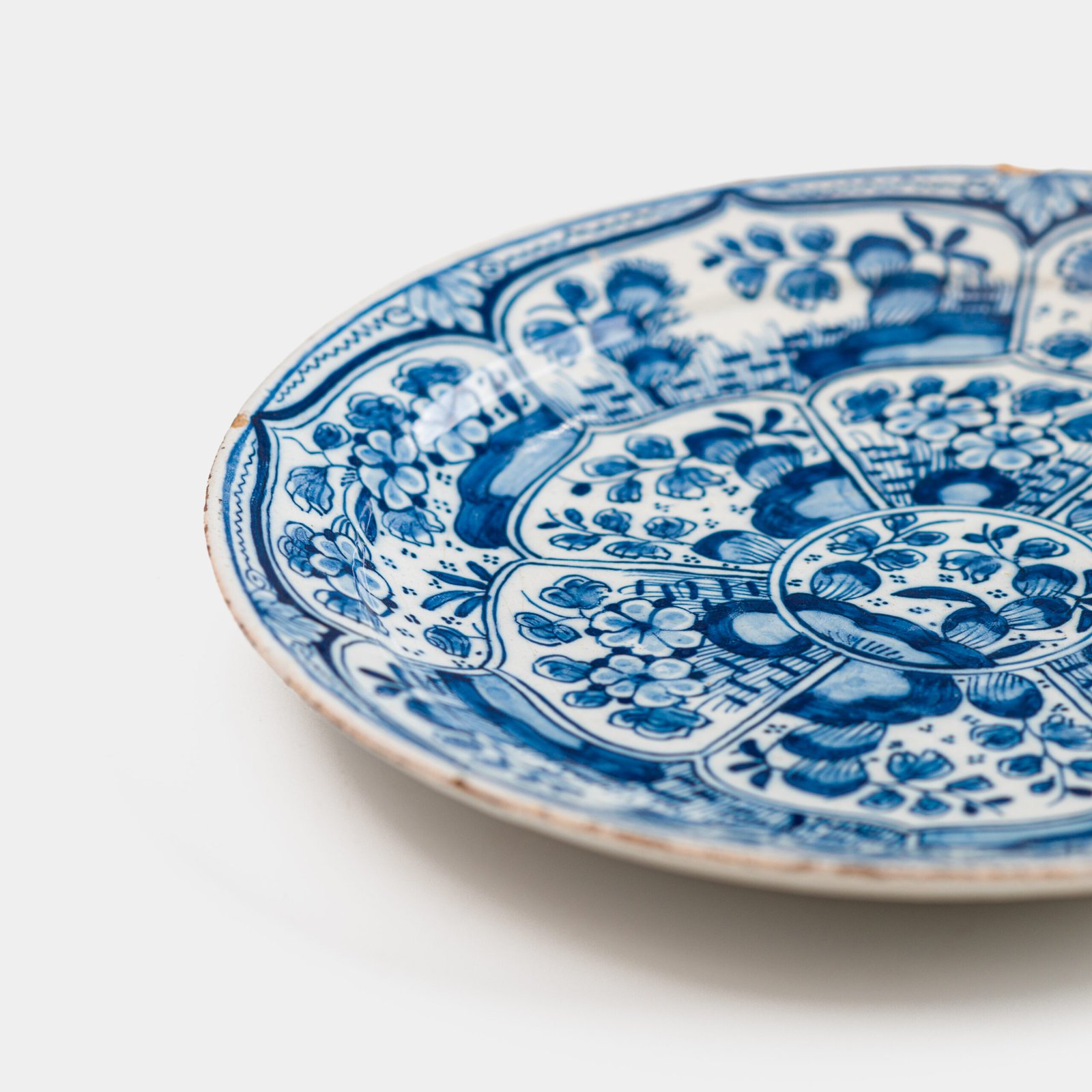
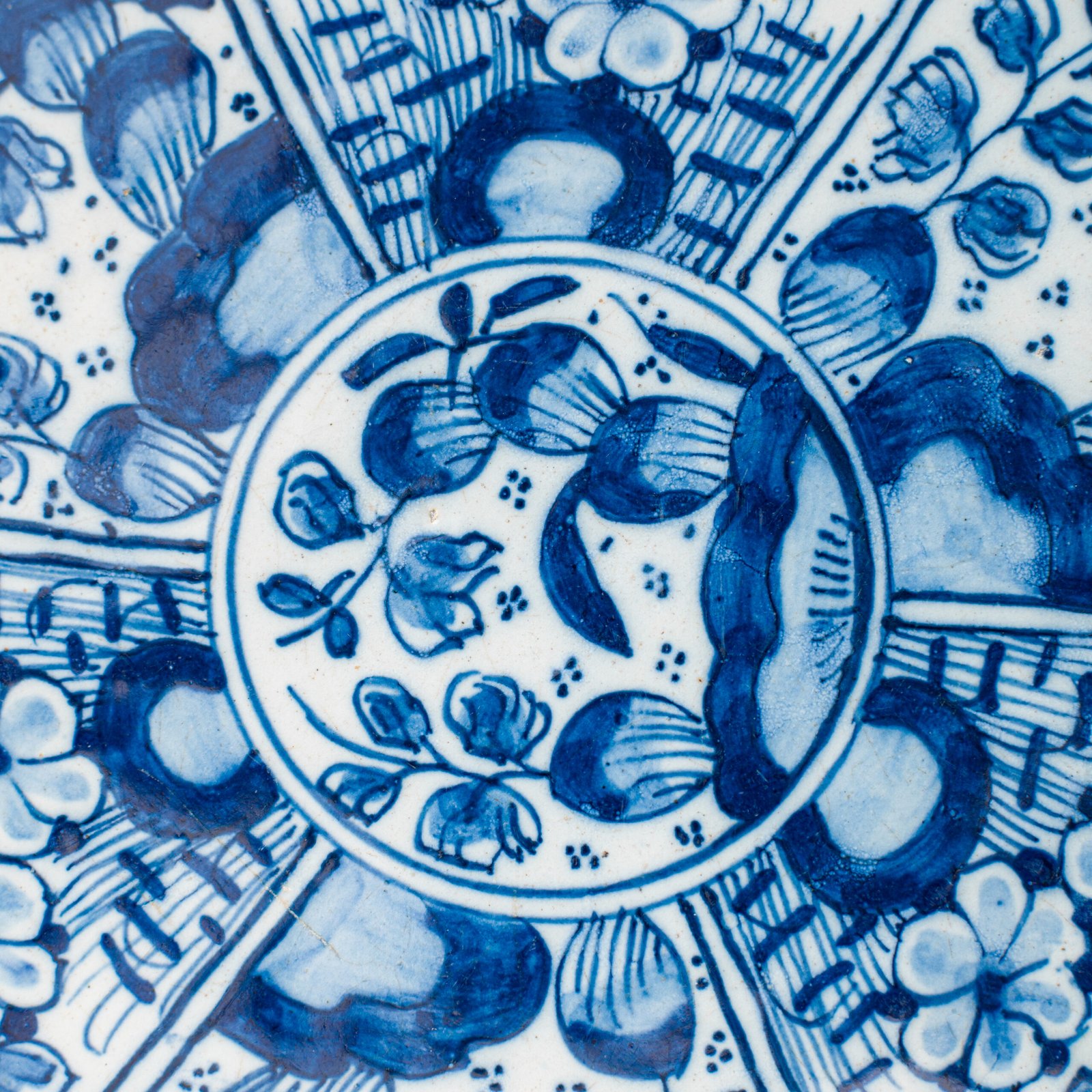
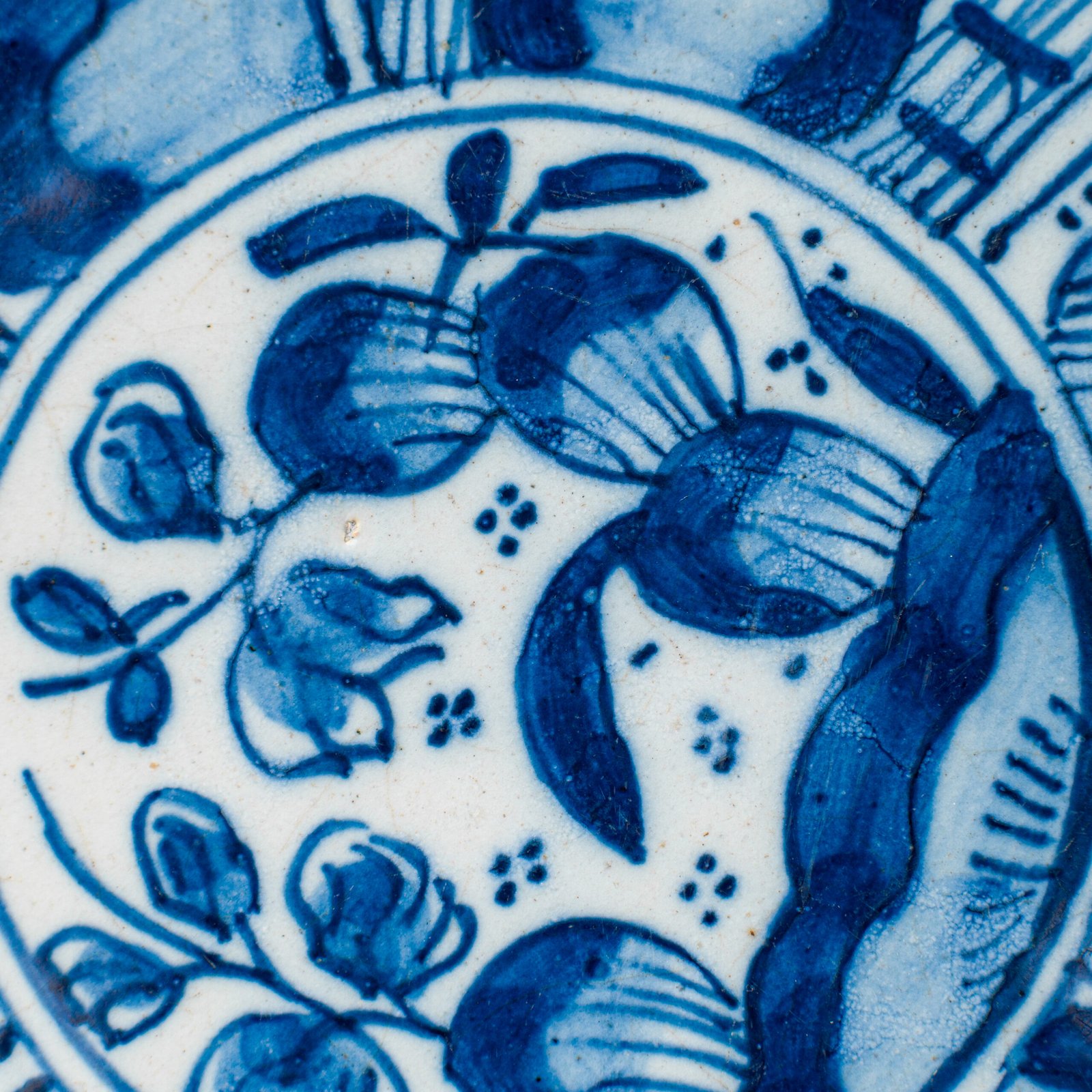
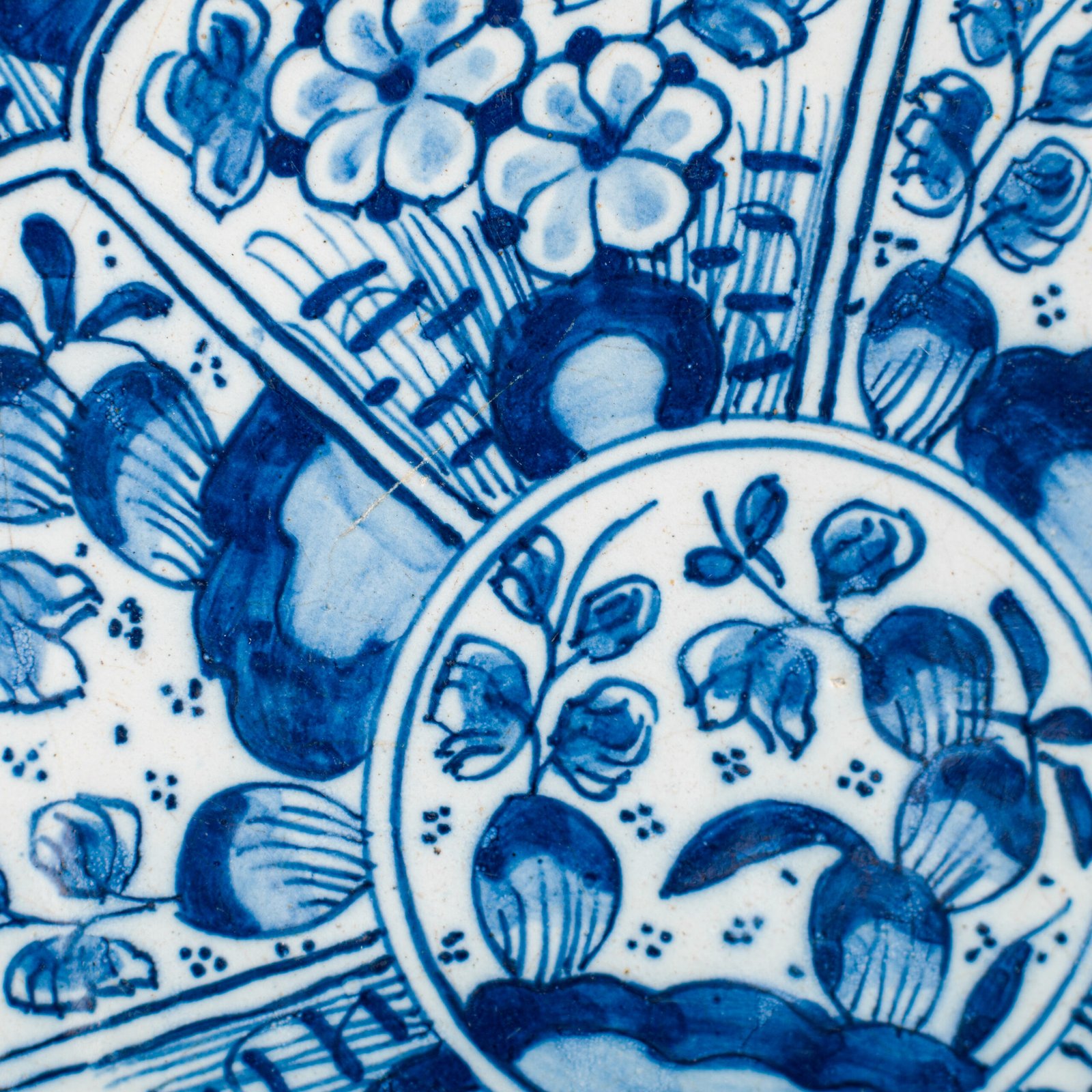
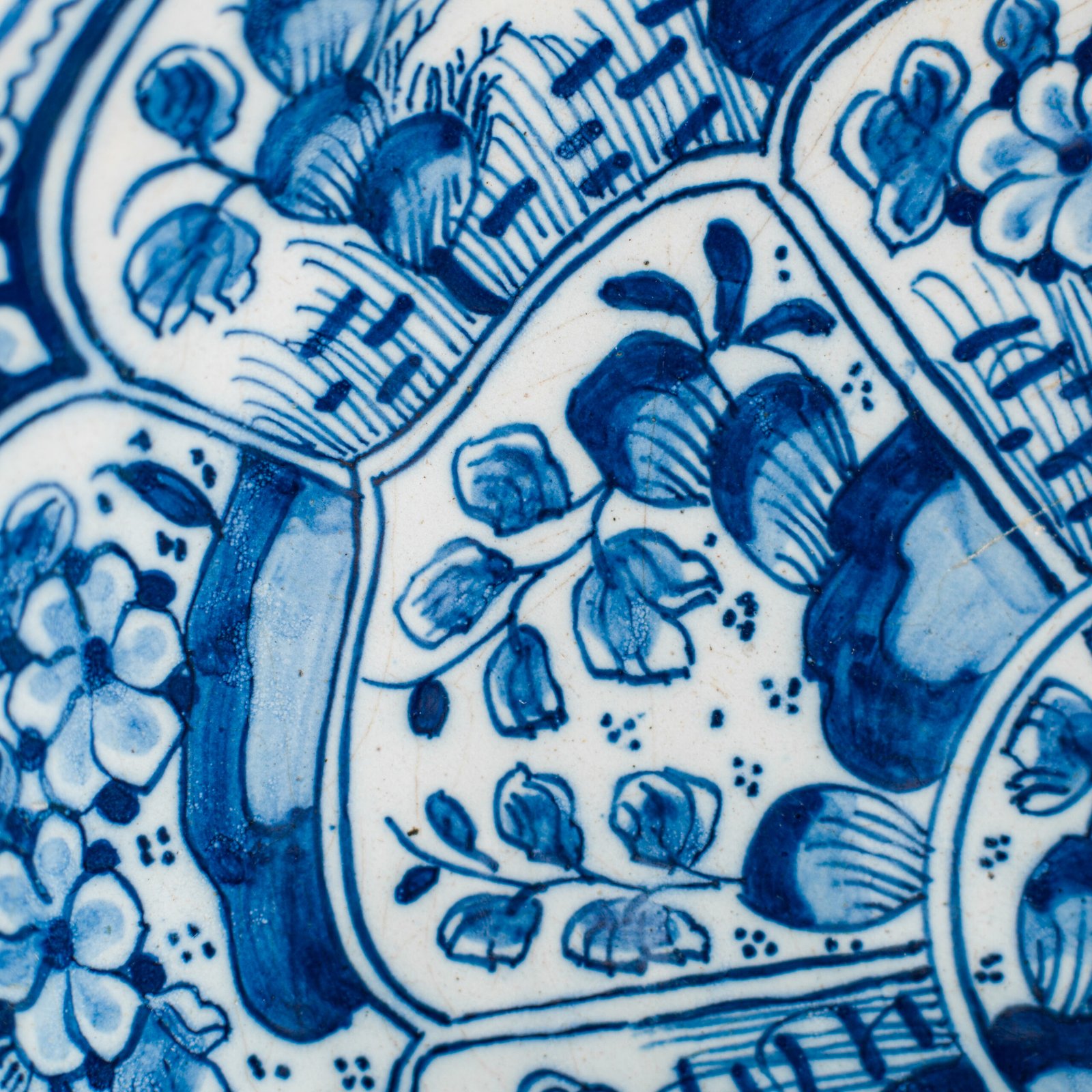
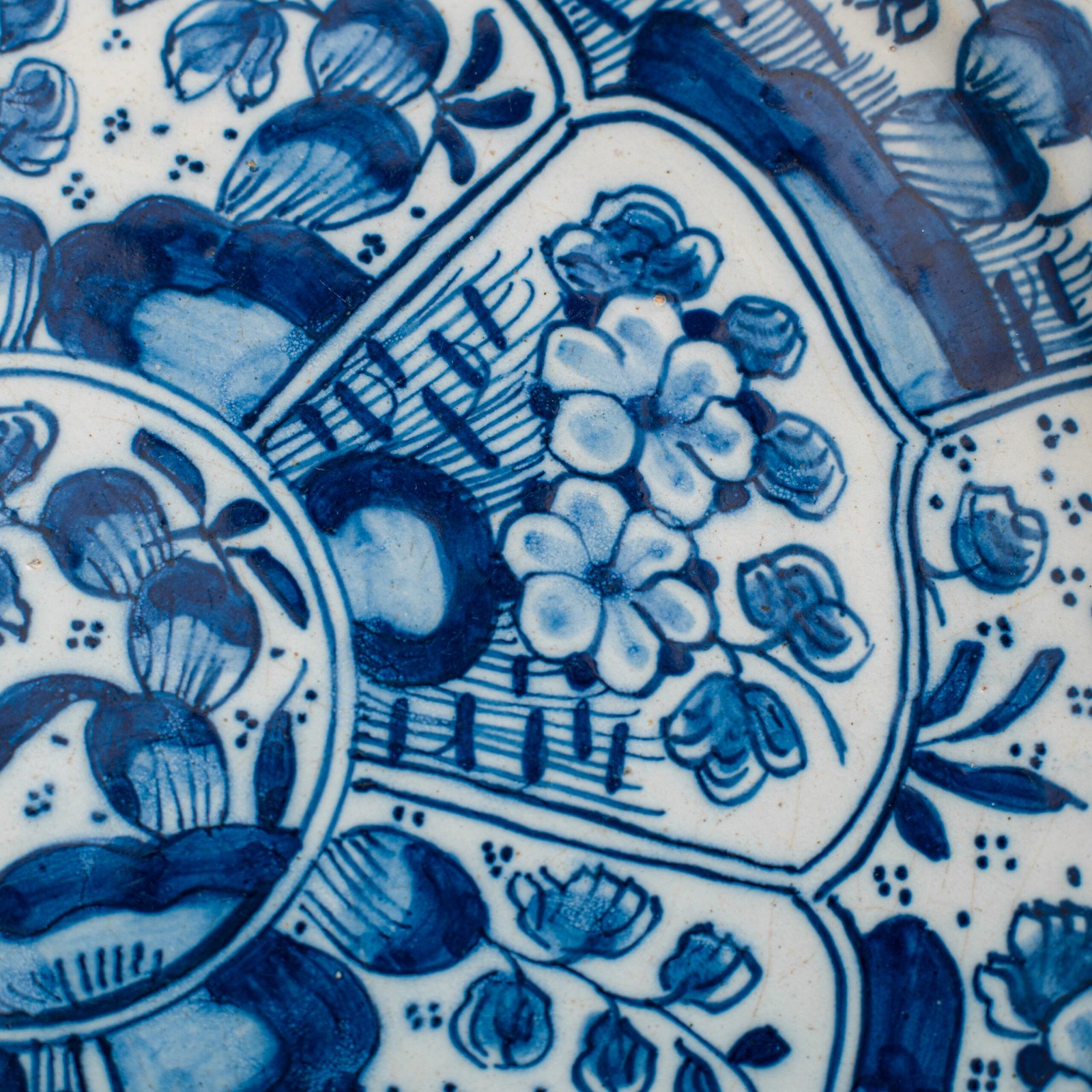
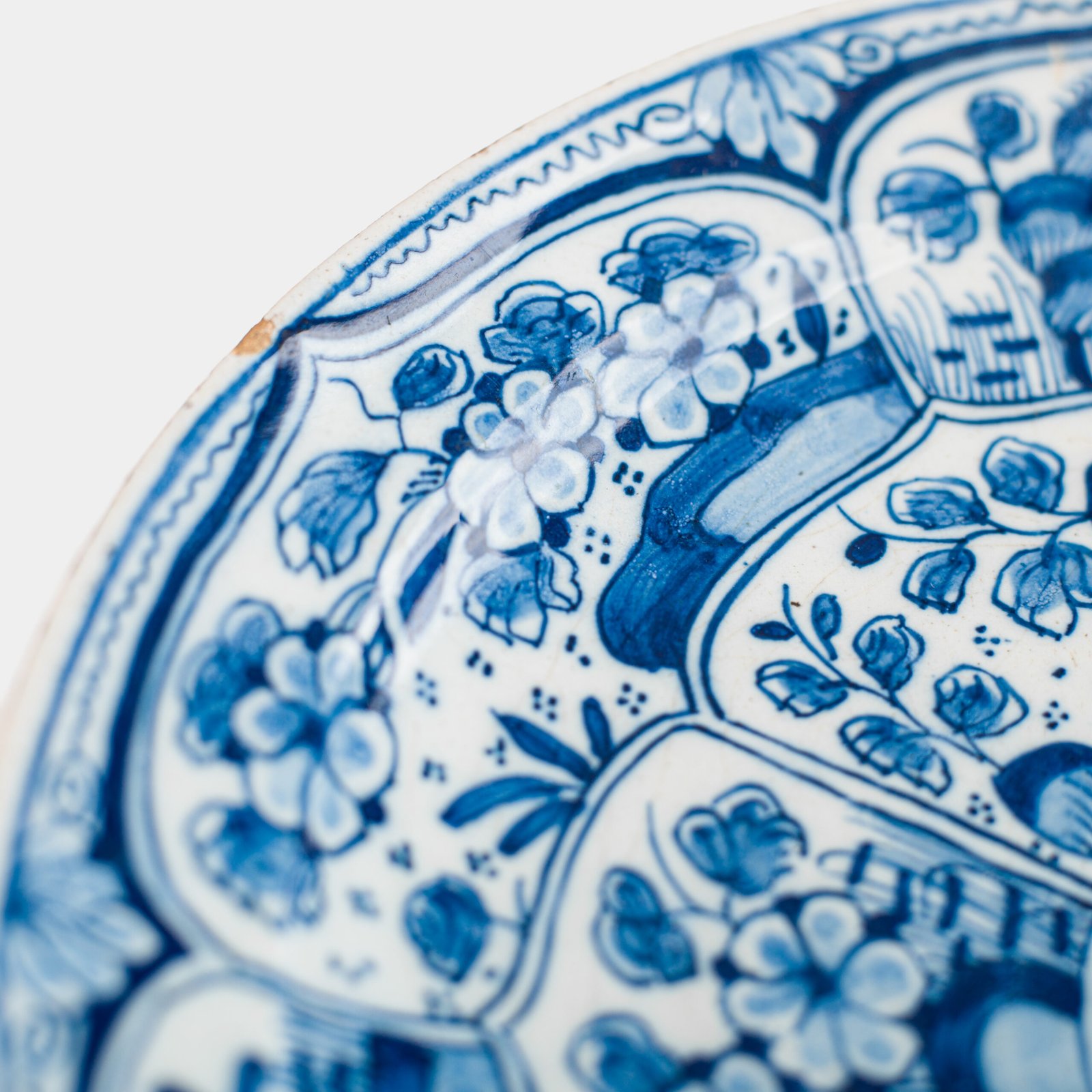
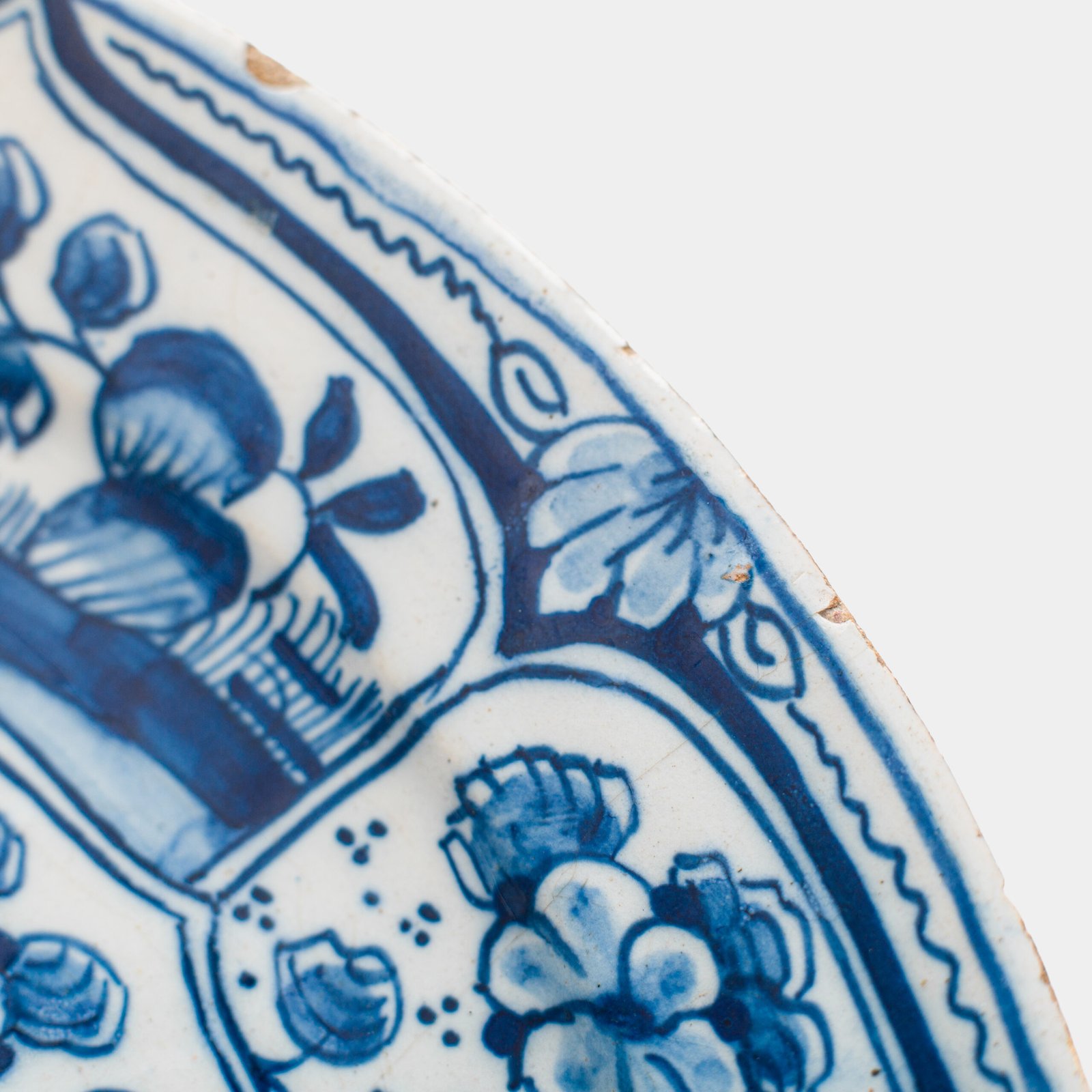
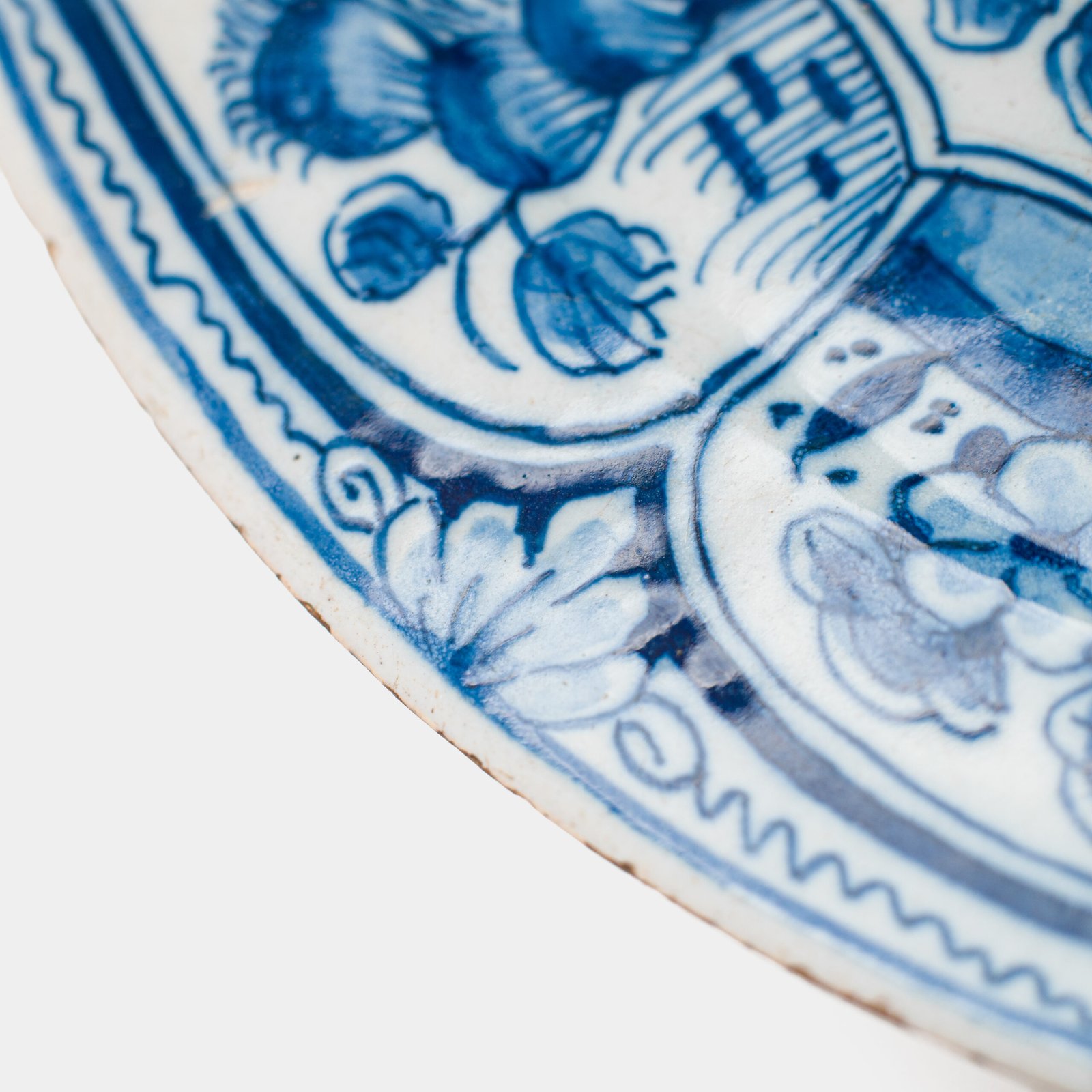
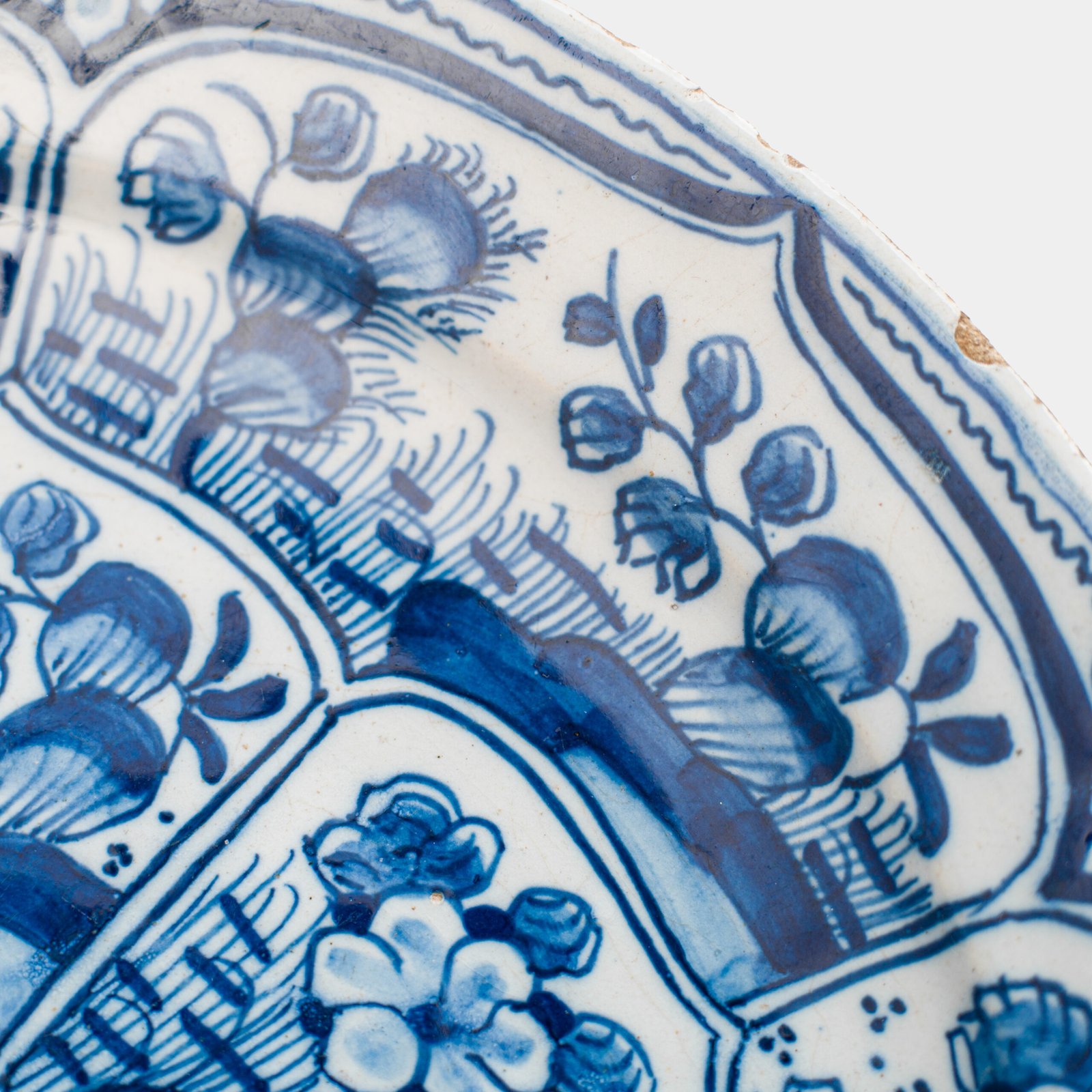
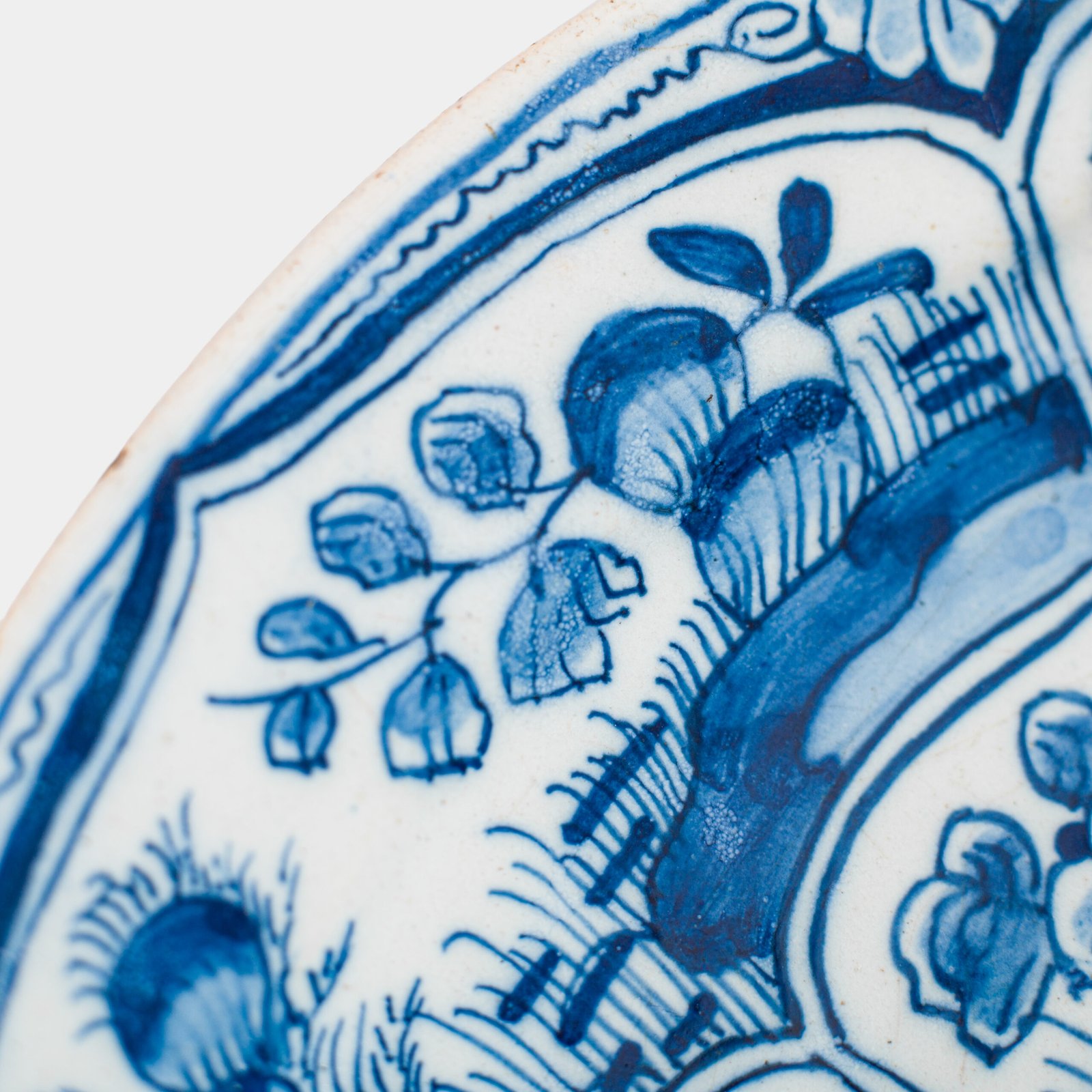
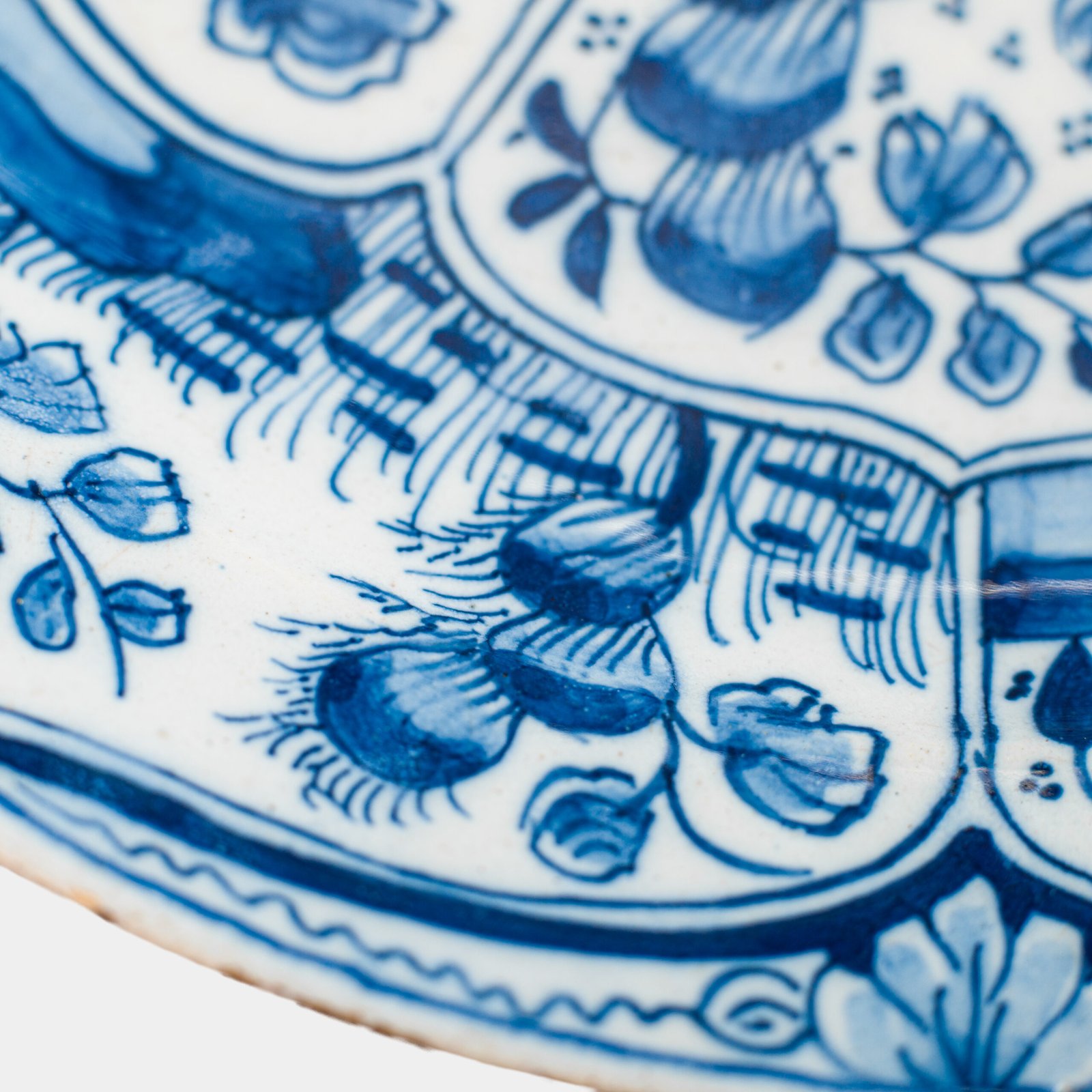
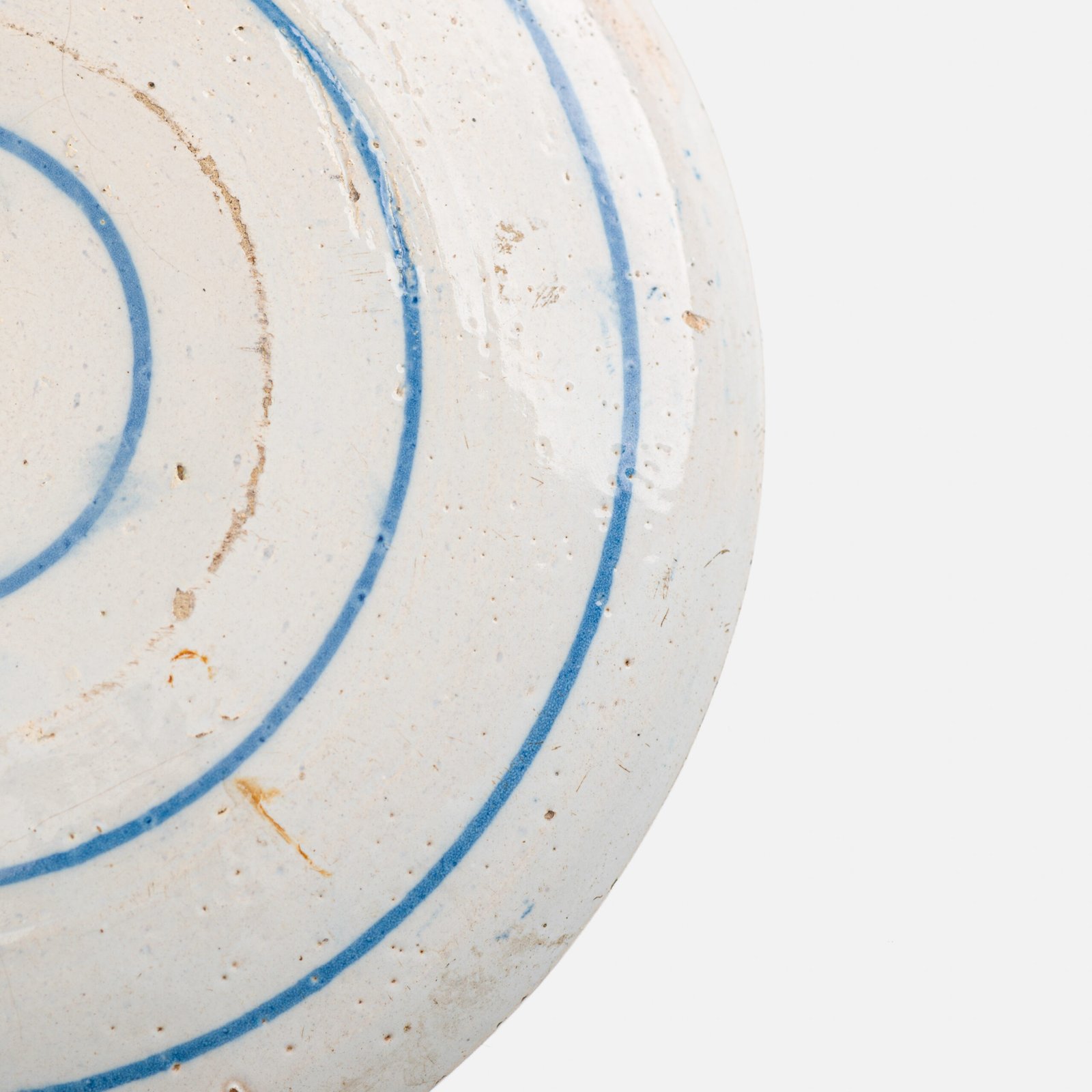
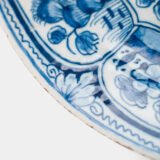
The decoration is arranged in a radial composition of lobed panels enclosing stylized floral motifs and vegetal elements inspired by Eastern sources and reinterpreted within a Dutch aesthetic vocabulary. The central medallion maintains compositional balance with the rim, creating a harmonious design characteristic of the early eighteenth century. The cobalt blue displays tonal variation consistent with hand application, with subtle shading and reserve work evidencing artisanal production. The form — slightly raised rim, shallow well, and well-defined foot ring — corresponds to models produced at De Witte Ster Delft in the early part of the century.
An old handwritten collection label remains on the base attributing the piece to “Cornelis Dircksz de Berg (1720–1759).” This identification does not align with the established historical documentation of the factory’s ownership during that period. The original underglaze mark constitutes the primary basis for attribution and is firmly associated with Cornelis Brouwer. The label should therefore be understood as a later collection attribution, likely dating to the nineteenth or early twentieth century, based on an incomplete interpretation of the initials. Its presence forms part of the object’s collecting history but does not alter the currently accepted attribution.


The condition is consistent with its age. The plate shows minor rim chips and wear commensurate with handling and use over three centuries, typical of eighteenth-century tin-glazed earthenware. The glaze exhibits a fine, even craquelure characteristic of natural aging of the tin glaze, and the cobalt decoration retains strong color intensity with subtle tonal variations inherent to hand painting.
Dimensions
Diameter: 22.4 cm / 8.8 in.
Height: approx. 2.7 cm / 1.1 in.
Examples from De Witte Ster Delft dating to the Brouwer period are particularly sought after by collectors of eighteenth-century European ceramics and by buyers who value clearly marked pieces with well-defined chronology. Its balanced palette and refined blue decoration also make it well suited for both traditional and contemporary interiors seeking to incorporate an authentic historical object with presence and character.